
وزيرة التضامن الاجتماعي تشارك في اجتماع لجنة الخطة والموازنة بمجلس النواب
🔗
رابط مختصر للمشاركة
كنب/ على محمد على
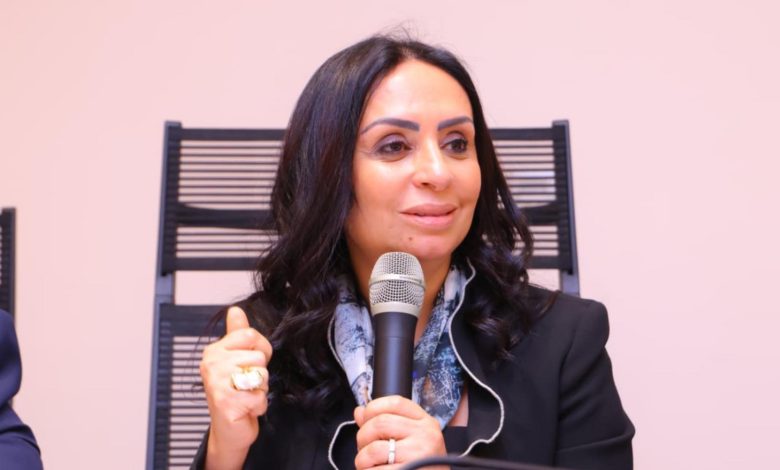
عرضت الدكتورة مايا مرسي وزيرة التضامن الاجتماعي مشروع الموازنة وموازنة البرامج والأداء لديوان عام وزارة التضامن الاجتماعي قطاع الشئون الاجتماعية للسنة المالية 2026-2027 أمام لجنة الخطة والموازنة بمجلس النواب، والتي عقدت برئاسة الدكتور محمد السيد محمد سليمان لعرض ومناقشة مشروع الموازنة وموازنة البرامج والأداء لديوان عام الوزارة.
وأعربت وزيرة التضامن الاجتماعي عن تقديرها للجنة، متوجهة بالشكر لأعضاء اللجنة على تعاونهم الدائم مع الوزارة، موضحة أن هذا هو مشروع الموازنة رقم 87 في تاريخ الوزارة، مشيرة إلى أن أن الرسالة الأساسية لوزارة التضامن الاجتماعي تستند إلى 5 ركائز ومحاور رئيسية وهى على التوالي؛ تعزيز الحماية الاجتماعية والتخارج من دائرة العوز ، تطوير منظومة الرعاية الاجتماعية والرعاية البديلة، دعم منظومة العمل الأهلي، حوكمة التحول الرقمى والذكاء الاصطناعي فى خدمة العدالة الاجتماعية، وتعزيز جهود الجهات التابعة للوزارة.
وأوضحت وزيرة التضامن الاجتماعي أن الموازنة تشهد طفرة في حجم البرامج والخدمات والمبادرات الاجتماعية التي تستهدف المواطن المصري؛ انطلاقًا من إيمان الدولة المصرية الراسخ، بأهمية الاستثمار في بناء الإنسان كأولوية لتحقيق الجمهورية الجديدة تحت قيادة فخامة السيد رئيس الجمهورية نحو ترسيخ ركائز العدالة الاجتماعية وتعزيز مظلة الحماية الاجتماعية والتنمية المستدامة وفق رؤية مصر 2030.
وفي هذا الإطار؛ يتصدر برنامج الدعم النقدي المشروط تكافل وكرامة هذه الجهود؛ حيث يستفيد منه نحو 4.7 مليون أسرة على مستوى الجمهورية، كما نجح البرنامج في تمكين ما يقرب من 3 ملايين أسرة من التخارج بعد تحسن أوضاعها الاقتصادية، بما يعكس فعالية البرنامج في الانتقال من الدعم إلى التمكين، وموضحة أنه بعد 10سنوات من عمر البرنامج أصبح لدينا قواعد بيانات متكاملة وربط شبكي لقاعدة بيانات “تكافل وكرامة” مع أكثر من 20 جهة بالدولة لضمان وصول الدعم لمستحقيه، حيث يتم العمل مع الأسرة كوحدة واحدة للخروج من دائرة العوز والفقر متعدد الأبعاد .
كما تشهد المرحلة الحالية تطبيق قانون الضمان الاجتماعي، الذي يرسخ نهجًا أكثر تكاملًا ولا يقتصر الدعم على المساندة الاقتصادية فحسب، بل يمتد ليشمل رعاية الأبناء وتعزيز فرص التعليم، بدءًا من سن السادسة وحتى المرحلة الجامعية، من خلال 42 وحدة للتضامن الاجتماعي داخل الجامعات، تقدم حزمة متنوعة من الخدمات والبرامج الداعمة لنحو 78 ألف طالب وطالبة من أسر تكافل وكرامة.
وأشارت الدكتورة مايا مرسي إلى المنظومة المالية الاستراتيجية للتمكين الاقتصادي التي تستهدف الفئات الأولى بالرعاية القادرة على العمل من خلال تقديم حزمة متكاملة من الخدمات المالية وغير المالية والمنظومة المالية لبنك ناصر الاجتماعي وبناء منظومة متكاملة مستوحاة من تجربة “جرامين بنك” في بنجلاديش؛ من خلال توسيع الاستهداف للأولى بالرعاية بالمحافظات، مع تطوير منظومة ربط مؤسسي بين بنك ناصر والبريد المصرى وتوفير الخدمات المالية بإجمالي 4200 فرع وهو ما سيحقق الانتشار والوصول لكافة المحافظات.
كما أشارت الدكتورة مايا مرسي إلى مراكز التجميع والمواءمة، والتي تشمل تجهيز 6 مراكز تجميع ومواءمة كمرحلة أولى باستهداف 42 مركزاً داخل مصر، فضلا عن تدريب الكوادر البشرية المتخصصة على أيدي خبراء تابعين لإحدى الشركات العالمية الرائدة في المجال،
ويأتي ذلك في إطار تنفيذ توجيهات رئيس الجمهورية بتوفير الأطراف الصناعية والأجهزة التعويضية وتقديم خدمات تأهيل متكاملة للأشخاص ذوي الإعاقة، بما يضمن إتاحة أجهزة عالية الجودة، بأيد مصرية مدربة وبمستوى عالى من الكفاءة، وبما يسهم في تحسين جودة حياتهم وتوفير خدمة متميزة محليا والتوسع لتشمل المنطقة.
وأشارت وزيرة التضامن الاجتماعي إلى ملف الأسر البديلة، حيث تستهدف الوزارة التوسع فى منظومة الكفالة لإتاحة الإطار الطبيعي لتنشئة الطفل تحقيقا للمصلحة الفضلى، وجاري العمل على قانون الرعاية البديلة، فينا نجحت جهود اللجنة المركزية للأسر البديلة واللجان المحلية في تسليم نحو 710 طفل لأسر بديلة كافلة خلال عامين، مؤكدة على الاهتمام بالمتابعة لدور الرعاية وإغلاق المخالفة للاشتراطات وغير اللائقة، كذلك يتم العمل على الأطفال من معلومي النسب إلى أسرهم وتم هذا النموذج بنجاح في الفيوم.
كما تمت الإشارة إلى جهود الوزارة في المبادرة الرئاسية “حياة كريمة” ، لتوفير جودة الحياة داخل القرى الأكثر احتياجا من خلال التوسع في شبكات الحماية الاجتماعية ودعم البنية المجتمعية، وتوطين بعض المهن وتقديم الدعم لصغار الصيادين اثناء توقف الصيد .
وأكدت وزيرة التضامن الاجتماعي على الدور المحوري الذي تضطلع به مؤسسات المجتمع المدني باعتبارها شريكًا رئيسيًا في تحقيق مستهدفات التنمية، مشيرةً إلى عدد من نماذج التعاون والشراكات الناجحة، وفي مقدمتها مبادرة «فرحة مصر» تحت رعاية السيدة قرينة السيد رئيس الجمهورية وبما يعكس قدرة العمل الأهلي على إحداث أثر تنموي ملموس في حياة المواطنين.
كما استعرضت الجهود المبذولة في ملف التحول الرقمي ورفع كفاءة الأداء المؤسسي، رتعزيز مبادئ الشفافية والحوكمة وتبسيط الإجراءات أمام المواطنين للحصول على الخدمات بسهولة ويسر.
وتطرقت كذلك إلى تعزيز جهود الجهات التابعة لوزارة التضامن الاجتماعي، مؤكدةً أن التكامل والتنسيق بين مختلف الجهات يمثل الركيزة الأساسية لضمان دقة الاستهداف وتعظيم أثر التدخلات التنموية بما يحقق أقصى استفادة للفئات الأولى بالرعاية.
حضر الاجتماع الدكتور محمد العقبي مساعد وزيرة التضامن الاجتماعي للاتصال الاستراتيجي والإعلام، والأستاذ رأفت شفيق مساعد وزيرة التضامن الاجتماعي للحماية الاجتماعية وبرامج دعم شبكات الأمان الاجتماعي والتمكين الاقتصادي والتنمية البشرية والمدير التنفيذي لبرنامج تكافل وكرامة للدعم النقدي المشروط، والأستاذ هشام محمد مدير مكتب وزيرة التضامن الاجتماعي، ولواء دكتور أحمد جمعة رئيس الإدارة المركزية للادارة الاستراتيجة والأستاذ محمد حواس رئيس الادارة المركزية للشئون المالية والادارية، الاستاذة داليا مختارمدير عام الادارة العامة للاتصال السياسى وعدد واسع من قيادات العمل بالوزارة والهيئات التابعة.
Minister of Social Solidarity Participates in House of Representatives Planning and Budget Committee Meeting
Dr. Maya Morsy, Minister of Social Solidarity, presented the ministry’s draft budget and the program and performance-based budget for the Social Affairs Sector for fiscal year 2026/2027 before the House of Representatives’ Planning and Budget Committee, chaired by Dr. Mohamed El-Sayed Mohamed Suleiman, during a session held to review and discuss the ministry’s budget proposal.
The Minister expressed her appreciation to the committee members, thanking them for their continued cooperation with the ministry. She noted that this is the 87th budget in the ministry’s history, stressing that its core mandate is based on five main pillars: strengthening social protection and enabling graduation from poverty, developing social and alternative care systems, supporting civil society, governing digital transformation and artificial intelligence in the service of social justice, and enhancing the performance of affiliated entities.
She said the current budget reflects a significant expansion in social programs, services, and initiatives targeting Egyptian citizens, in line with the state’s commitment to investing in human development as a top priority under President Abdel Fattah El-Sisi, and in accordance with Egypt Vision 2030.
The flagship conditional cash transfer program “Takaful and Karama” remains at the forefront of social protection efforts, benefiting around 4.7 million households nationwide. The program has also enabled nearly 3 million families to graduate after improvements in their economic conditions, reflecting its effectiveness in transitioning from welfare to empowerment. Over the past 10 years of implementation, the program now operates through an integrated database linked with more than 20 government entities to ensure accurate targeting, treating the household as a single unit to help break the cycle of multidimensional poverty.
She added that the Social Protection Law is currently being implemented, introducing a more integrated approach that goes beyond financial assistance to include child welfare and educational support from age six through university level. This is delivered through 42 Social Solidarity Units in universities, which provide services to around 78,000 students from “Takaful and Karama” families.
The Minister also highlighted the Strategic Financial System for Economic Empowerment, which targets work-capable vulnerable groups through an integrated package of financial and non-financial services. The system includes Nasser Social Bank and a unified institutional linkage with Egypt Post, providing services through 4,200 branches nationwide to ensure broad accessibility across all governorates.
She further referred to collection and coordination centers, including six centers in the first phase, with plans to expand to 42 centers nationwide, alongside training specialized personnel in cooperation with international experts.
This comes in line with presidential directives to provide prosthetic limbs and assistive devices, as well as integrated rehabilitation services for persons with disabilities, ensuring high-quality devices produced by trained Egyptian professionals, improving quality of life and expanding service delivery locally and regionally.
On alternative care, the Minister noted ongoing efforts to expand the foster care system to ensure a family-based upbringing in line with the best interests of the child, alongside preparation of a draft alternative care law. She added that central and local foster care committees have placed around 710 children with foster families over the past two years, while efforts continue to monitor care institutions, close non-compliant facilities, and reunify children of known parentage with their families, including a model implemented in Fayoum.
She also highlighted the ministry’s efforts under the presidential “Decent Life” initiative, aimed at improving living conditions in the most underserved villages through expanded social protection networks, strengthened community infrastructure, localization of crafts, and support for small-scale fishermen during fishing suspension periods.
The Minister reaffirmed the pivotal role of civil society organizations as key partners in development, highlighting cooperation models such as the “Farha Misr” initiative under the patronage of the First Lady, reflecting their role in delivering tangible impact on citizens’ lives.
She also reviewed ongoing efforts in digital transformation and institutional efficiency, emphasizing transparency, governance, and simplification of procedures for citizens.
She concluded by stressing the importance of coordination among all affiliated entities of the ministry to ensure accurate targeting and maximize the impact of development interventions for vulnerable groups.
The meeting was attended by senior officials from the Ministry of Social Solidarity:
Dr. Mohamed El-Okaby, Assistant Minister for Strategic Communication and Media; Mr. Raafat Shafik, Assistant Minister for Social Protection, Safety Nets, Economic Empowerment and Human Development, and Executive Director of the “Takaful and Karama” Program; Mr. Hisham Mohamed, Director of the Minister’s Office; Major General Dr. Ahmed Gomaa, Head of the Central Department for Strategic Management; Mr. Mohamed Hawas, Head of the Central Department for Financial and Administrative Affairs; Ms. Dalia Mokhtar, Director General of Political Communication; and several other ministry officials.